
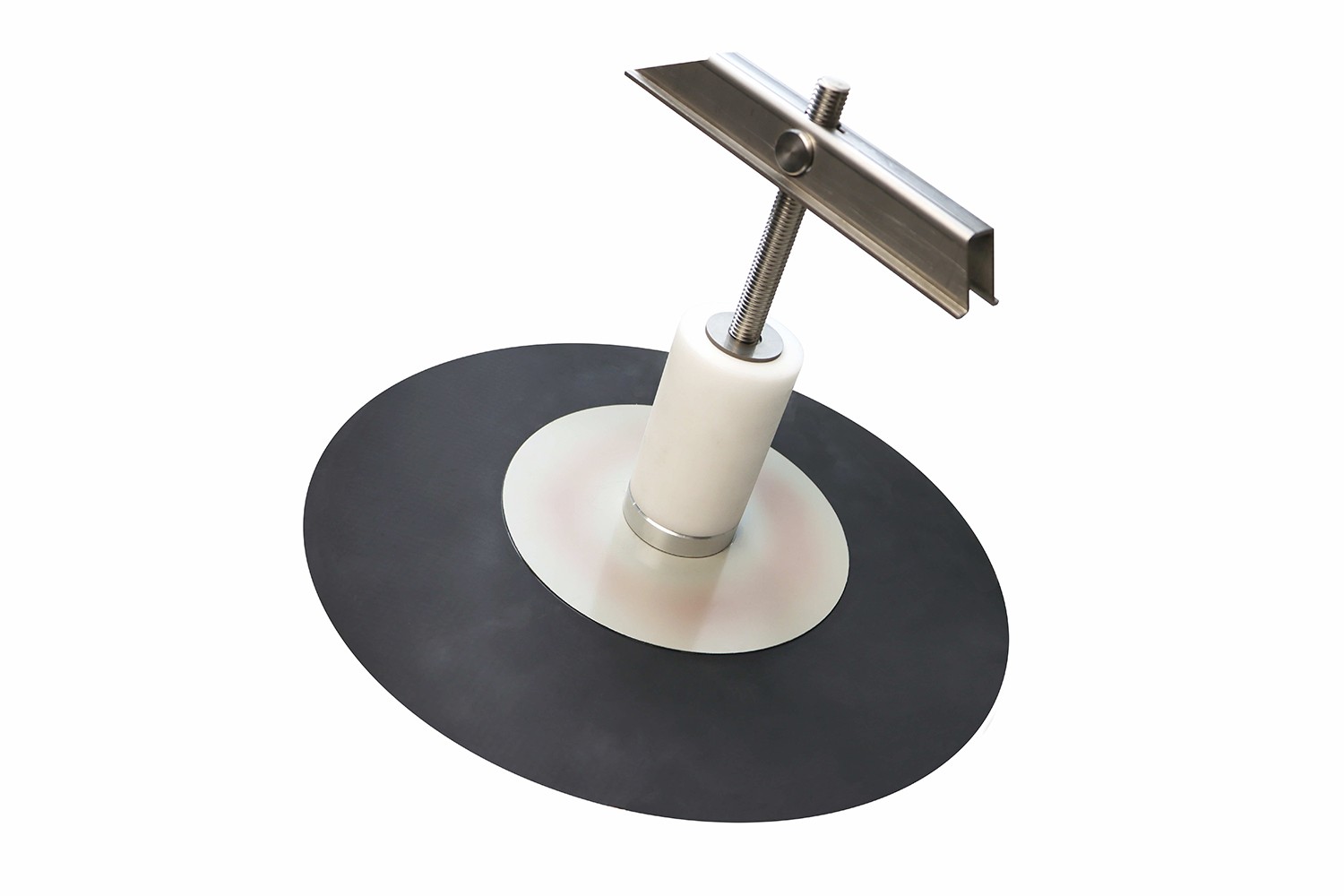
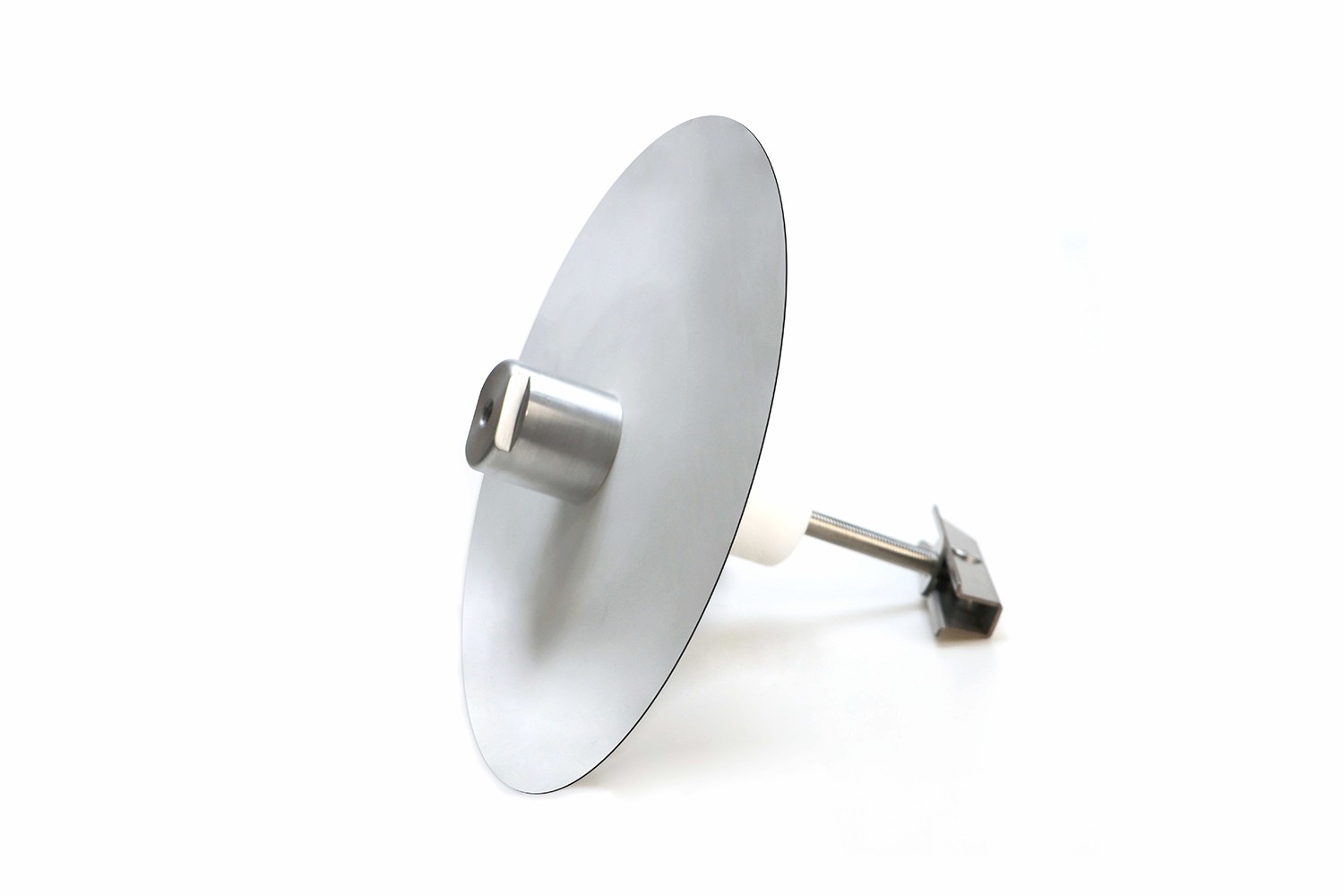
Perforated Plate PV Mount with nail or Reversal anchor | Roof Solar Bracket
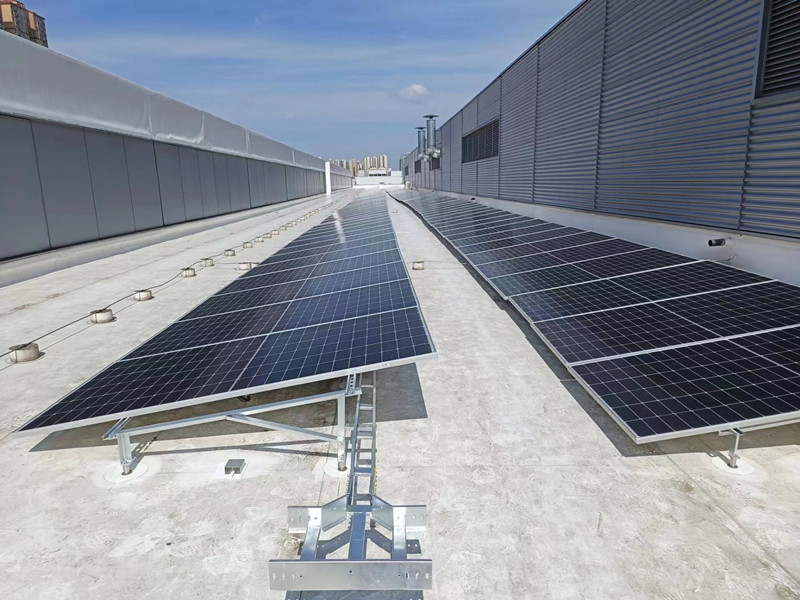
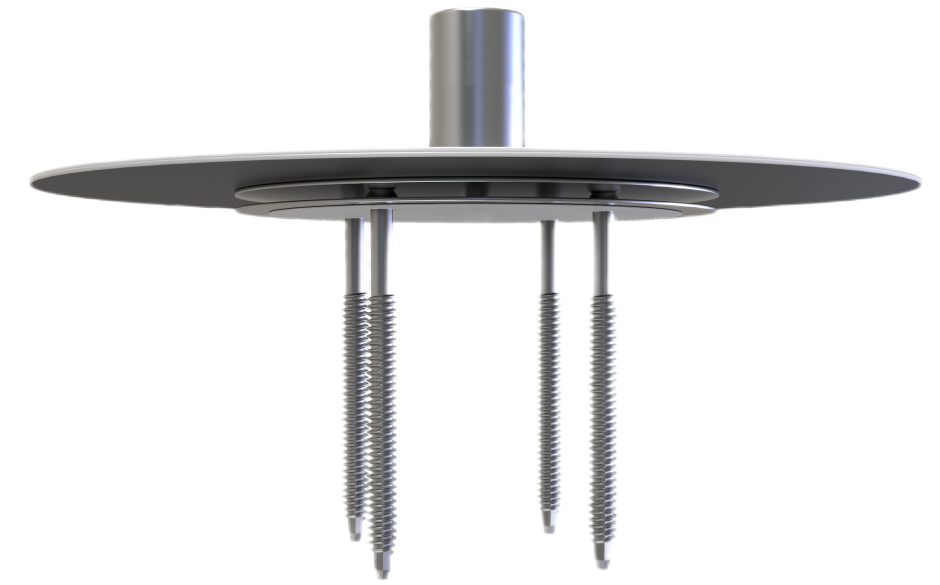
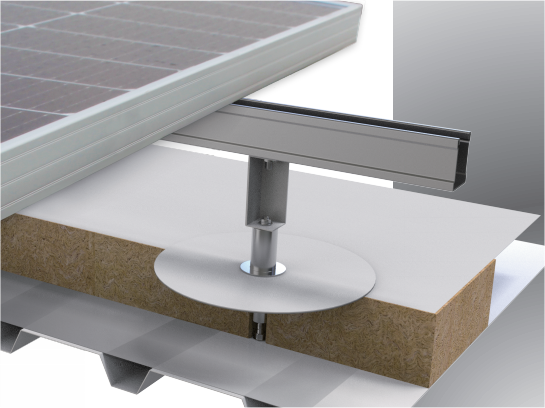
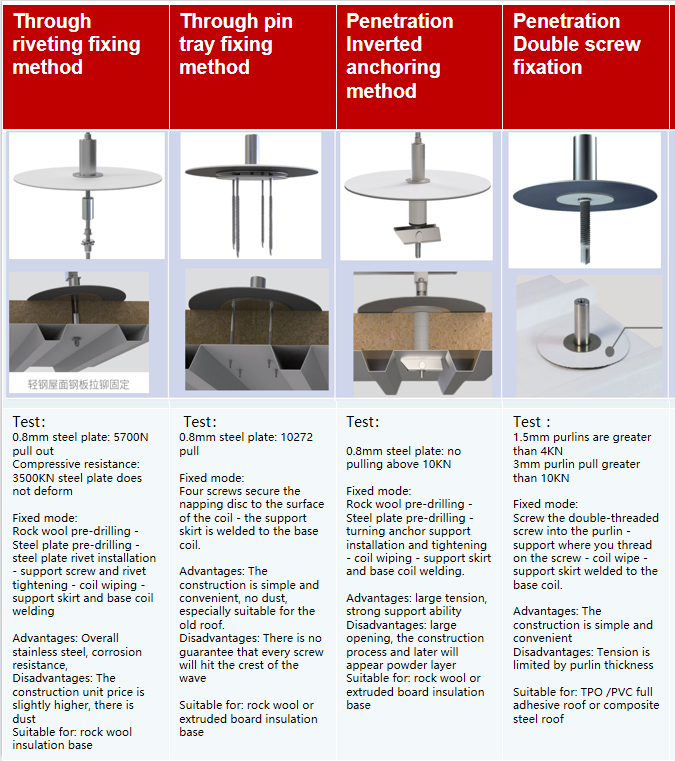
Our perforated photovoltaic support structure features a variety of fixed bases and design series, enabling quick installation on metal roofs and other substrates.
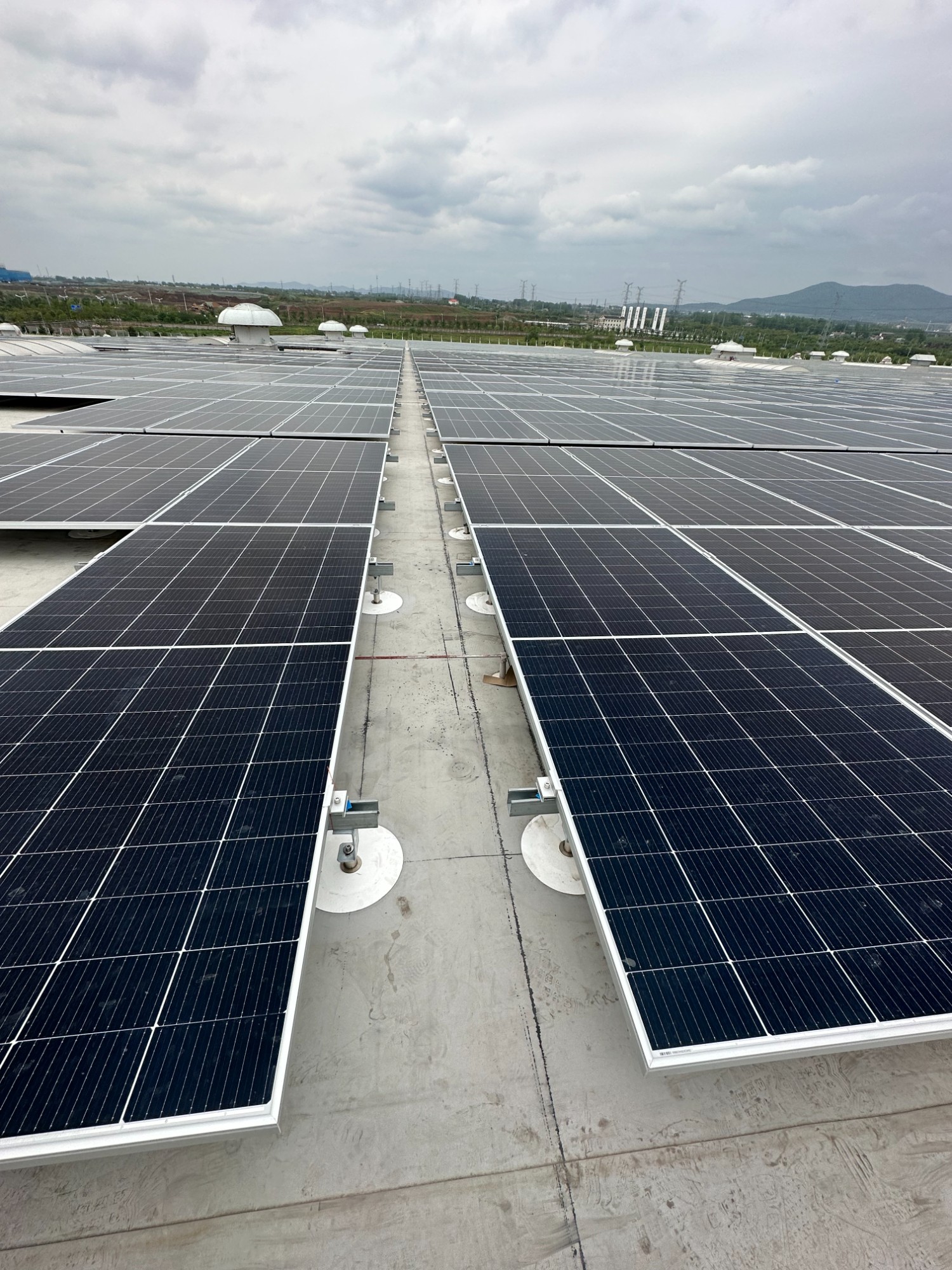
It provides a more robust and reliable support for solar panels. It is particularly suitable for TPO solar roofs or PVC solar roofs.
Key Features & Benefits:
* Superior Wind Uplift Resistance: The welded connection provides exceptional resistance to wind forces, far exceeding the performance of weighted or ballasted systems. This ensures your solar array remains securely anchored, even in extreme weather.
* Preserves Roof Integrity & Warranty: As a completely non-penetrating solution, it prevents any compromise of the roof deck and underlying structure. This installation method is widely accepted by major roofing membrane manufacturers, helping to preserve your existing roof warranty.
* Durable & Corrosion-Resistant: Manufactured from high-strength, anodized aluminum or stainless steel, the mount is built to withstand harsh outdoor environments, ensuring a long service life that matches your PV system.
* Engineered for Stability: The optimized design provides a low-profile, rigid base for industry-standard solar rails, ensuring the structural stability of the entire array.
Technical Specifications:
Compatible Roofing: TPO & PVC Single-Ply Membranes
Attachment Method: Heat-Welded (Thermal Fusion)
Material: 304 Stainless Steel,TPO or PVC
Compatibility :Universal for most standard solar rails
Wind Uplift Rating: Classified to withstand specific wind speed zones
Applications:
This mount is the ideal solution for:
* Commercial & Industrial Flat Roofs with TPO or PVC membranes.
* New Construction and Retrofit solar projects.
* Building-Integrated Photovoltaics (BIPV) requiring a reliable, waterproof attachment.
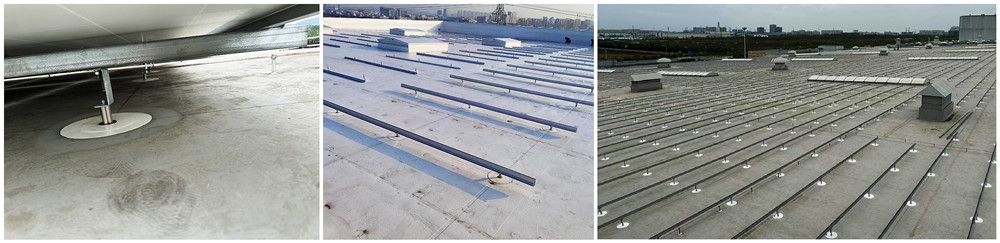
A basic installation workflow involves:
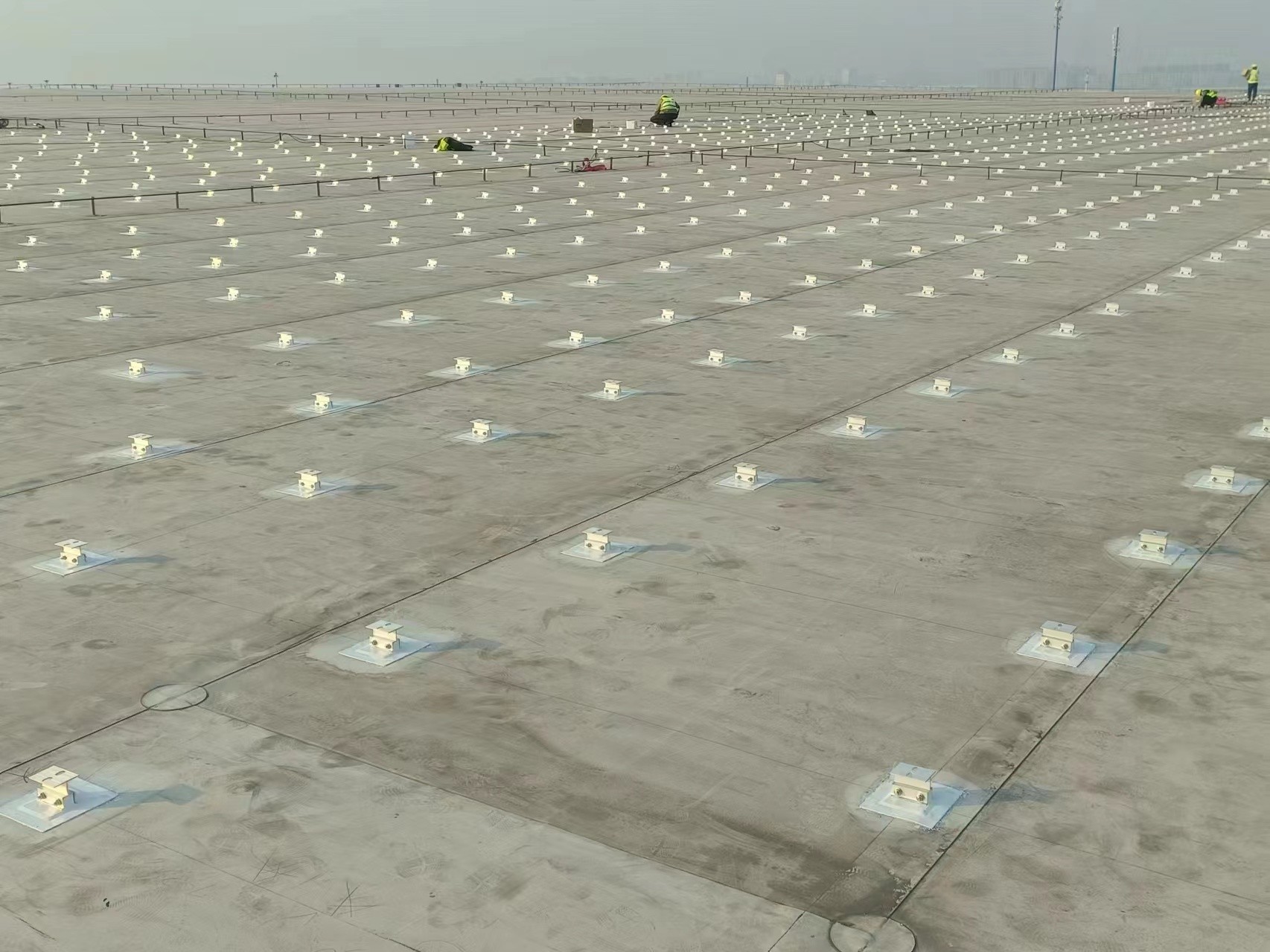
1. Determining the positions for the roof hooks according to the design .
2. Fixing the bracket support with the nail plate to the roof using screws and applying the necessary waterproofing measures .
3. Installing the mounting rails onto the roof hooks .
4. Securing the PV modules to the rails using end clamps and mid-clamps .